
Cyclohexene oxide
Synonym(s):1,2-Epoxycyclohexane;7-Oxabicyclo[4.1.0]heptane;7-Oxabicyclo[4.1.0]heptane, Cyclohexene oxide;Epoxycyclohexane
- CAS NO.:286-20-4
- Empirical Formula: C6H10O
- Molecular Weight: 98.14
- MDL number: MFCD00005162
- EINECS: 206-007-7
- SAFETY DATA SHEET (SDS)
- Update Date: 2025-09-25 17:15:13
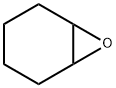
What is Cyclohexene oxide?
Chemical properties
clear colorless to yellow liquid
The Uses of Cyclohexene oxide
Cyclohexene oxide has been patented for use as an insecticidal fumigant.
Cyclohexene oxide is an important intermediate in the organic industry. It is employed in the manufacture of medicines, pesticides, dyes, and perfumes. In addition, cyclohexene oxide can be used as a monomer in polymerization, chain-cutting agent, flame retardant and diluting agent among other uses.
Cyclohexene oxide is useful as a monomer in polymerization with CO2 for production of cyclic carbonates and polycarbonates in the presence of different catalysts.
The Uses of Cyclohexene oxide
It is an important raw material and intermediate used in organic synthesis, dyestuffs and in agrochemical industries. It is used in medicine. Cyclohexene oxide (epoxycyclohexane) is an useful monomer in polymerization and coating industry. It is used in the synthesis of alicyclic target materials including pharmaceuticals, perfumery and dyestuffs. It is used as a monomer in photopolymerizations, with carbonmonoxide to yield aromatic polycarbonates which has minimum impurities.
Synthesis Reference(s)
The Journal of Organic Chemistry, 38, p. 1251, 1973 DOI: 10.1021/jo00946a053
Tetrahedron Letters, 29, p. 2967, 1988 DOI: 10.1016/0040-4039(88)85059-7
Flammability and Explosibility
Flammable
Safety Profile
Moderately toxic by ingestion, skin contact, intraperitoneal, and intramuscular routes. Mildly toxic by inhalation. Questionable carcinogen with experimental tumorigenic data. Mutation data reported. A flammable liquid and dangerous fire hazard when exposed to heat or flame. When heated to decomposition it emits acrid smoke and irritant fumes.
Purification Methods
Fractionate the oxide through an efficient column. The main impurity is probably H2O. Dry it over MgSO4, filter and distil it several times (b 129-134o/760mm). The residue is sometimes hard to remove from the distilling flask. To avoid this difficulty, add a small amount of a mixture of ground NaCl and Celite (1:1) to help break up the residue particularly if H2O is added. [Osterberg Org Synth Coll Vol I 185 1948, Beilstein 17 H 21, 17/1 V 203.]
Properties of Cyclohexene oxide
| Melting point: | -40 °C |
| Boiling point: | 129-130 °C(lit.) |
| Density | 0.97 g/mL at 25 °C(lit.) |
| vapor pressure | 12 hPa (20 °C) |
| refractive index | n |
| Flash point: | 81 °F |
| storage temp. | Store below +30°C. |
| form | Liquid |
| color | Clear colorless to yellow |
| explosive limit | 1.2-6.5%(V) |
| Water Solubility | INSOLUBLE |
| BRN | 383568 |
| CAS DataBase Reference | 286-20-4(CAS DataBase Reference) |
| NIST Chemistry Reference | Cyclohexene oxide(286-20-4) |
| EPA Substance Registry System | Cyclohexene oxide (286-20-4) |
Safety information for Cyclohexene oxide
| Signal word | Danger |
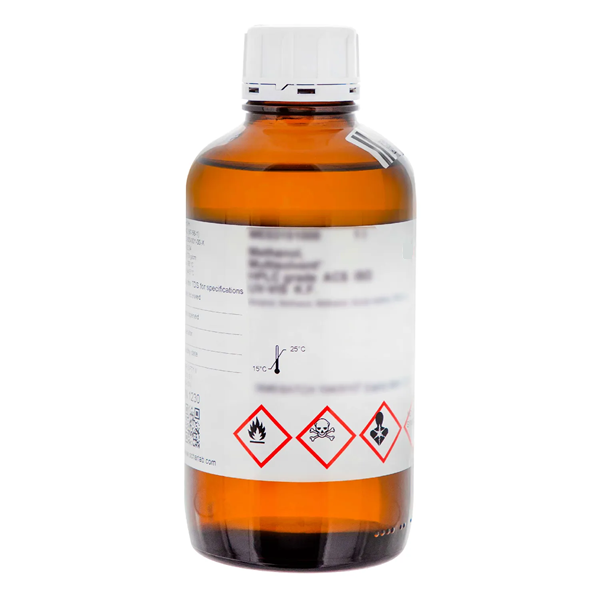
| Pictogram(s) |
 Flame Flammables GHS02  Corrosion Corrosives GHS05  Skull and Crossbones Acute Toxicity GHS06 |
| GHS Hazard Statements |
H226:Flammable liquids H302:Acute toxicity,oral H314:Skin corrosion/irritation |
| Precautionary Statement Codes |
P210:Keep away from heat/sparks/open flames/hot surfaces. — No smoking. P280:Wear protective gloves/protective clothing/eye protection/face protection. P301+P312:IF SWALLOWED: call a POISON CENTER or doctor/physician IF you feel unwell. P303+P361+P353:IF ON SKIN (or hair): Remove/Take off Immediately all contaminated clothing. Rinse SKIN with water/shower. P305+P351+P338:IF IN EYES: Rinse cautiously with water for several minutes. Remove contact lenses, if present and easy to do. Continuerinsing. |
Computed Descriptors for Cyclohexene oxide
Cyclohexene oxide manufacturer
New Products
Indole Methyl Resin tert-butyl 9-methoxy-3-azaspiro[5.5]undecane-3-carboxylate Boc-His(Boc)-OH 2-CTC Resin 4-Chloro-7-tosy1-7Hpyrrolo[2,3-d]pyrimidine 5,7-Dibromo-1H-indole 2,5-dichloro-N-hydroxy-4,6-dimethylpyridine-3-carboximidamide 2,2-Dimethoxy-7-azaspiro[3.5]nonane hydrochloride 4-chloromethyl-5-methyl-1,3-dioxol-2-one (DMDO-Cl) R-2-BENZYLOXY PROPIONIC ACID 1,1’-CARBONYLDIIMIDAZOLE 1,1’-CARBONYLDI (1,2-4 TRIAZOLE) N-METHYL INDAZOLE-3-CARBOXYLIC ACID 4-((2-hydroxyethyl)thio)benzoic acid 1-(TERT-BUTOXYCARBONYL)-2-PYRROLIDINONE Methyl 6-methylnicotinate 3-Pyridineacrylic acid tert-Butyl carbazate TETRAHYDRO-2H-PYRAN-3-OL 2-((4-morpholinophenylamino) (methylthio) methylene) malononitrile 3-(4-morpholinophenylamino)-5-amino-1H-pyrazole-4-carbonitrile 2,4-dihydroxybenzaldehyde 1,3-Diethyl-1,3-Diphenylurea Methyl 2-methylquinoline-6-carboxylateRelated products of tetrahydrofuran


You may like
-
 Cyclohexene oxide 99% (GC) CAS 286-20-4View Details
286-20-4 -
1,2-Epoxycyclohexane CAS 286-20-4View Details
286-20-4 -
Epoxycyclohexane CAS 286-20-4View Details
286-20-4 -
Cyclohexene oxide CAS 286-20-4View Details
286-20-4 -
 Cyclohexene OxideView Details
286-20-4 -
 Pyridine 99.5% HPLC /UV SpectroscopyView Details
110-86-1 -
 Dibutyl PhthalateView Details
84-74-2 -
 Thiourea 99% ARView Details
62-56-6