
8-Chloro-1-octanol
- CAS NO.:23144-52-7
- Empirical Formula: C8H17ClO
- Molecular Weight: 164.67
- MDL number: MFCD00040005
- EINECS: 245-451-6
- SAFETY DATA SHEET (SDS)
- Update Date: 2025-07-14 15:27:00

What is 8-Chloro-1-octanol?
Chemical properties
clear colorless liquid
The Uses of 8-Chloro-1-octanol
8-Chloro-1-octanol may be employed for the following studies:
- Biosynthesis of bacteriochlorophyll c derivatives, via esterification.
- Preparation of new macroporous triisobutylphosphine sulphide functionalized polymers.
- Synthesis of series of new mesogenic azomethine diols.
- Synthesis of bis(4-hydroxyoctoxyphenyl)sulfone (HOS).
The Uses of 8-Chloro-1-octanol
Antifungal activity against Aspergillus niger, Trichoderma viride, Myrothecium verrucaria, Candida albicans, Trichophyton mentagrophytes, Mucor mucedo
General Description
8-Chloro-1-octanol is a ω-chloro-1-alkanol.
Properties of 8-Chloro-1-octanol
| Boiling point: | 129-130 °C/11 mmHg (lit.) |
| Density | 0.976 g/mL at 25 °C (lit.) |
| refractive index | n |
| Flash point: | >230 °F |
| storage temp. | Sealed in dry,Room Temperature |
| form | Liquid |
| pka | 15.19±0.10(Predicted) |
| Specific Gravity | 0.976 |
| color | Clear colorless |
| InChI | InChI=1S/C8H17ClO/c9-7-5-3-1-2-4-6-8-10/h10H,1-8H2 |
| CAS DataBase Reference | 23144-52-7(CAS DataBase Reference) |
| NIST Chemistry Reference | 8-Chloro-1-octanol(23144-52-7) |
| EPA Substance Registry System | 1-Octanol, 8-chloro- (23144-52-7) |
Safety information for 8-Chloro-1-octanol
| Signal word | Warning |
| Pictogram(s) |
 Exclamation Mark Irritant GHS07 |
| GHS Hazard Statements |
H315:Skin corrosion/irritation H319:Serious eye damage/eye irritation |
| Precautionary Statement Codes |
P264:Wash hands thoroughly after handling. P264:Wash skin thouroughly after handling. P280:Wear protective gloves/protective clothing/eye protection/face protection. P321:Specific treatment (see … on this label). P305+P351+P338:IF IN EYES: Rinse cautiously with water for several minutes. Remove contact lenses, if present and easy to do. Continuerinsing. P332+P313:IF SKIN irritation occurs: Get medical advice/attention. P337+P313:IF eye irritation persists: Get medical advice/attention. |
Computed Descriptors for 8-Chloro-1-octanol
| InChIKey | YDFAJMDFCCJZSI-UHFFFAOYSA-N |
| SMILES | C(O)CCCCCCCCl |
8-Chloro-1-octanol manufacturer
JSK Chemicals
3Y
Phone:+91-9879767984
Whatsapp: +91-9879767970
product: 8-Chloro-1-octanol, 95% 23144-52-7 99%
ALS India Life Sciences Pvt. Ltd
2Y
Phone:+91-8977036378
Whatsapp: +91 8008166674
product: 23144-52-7 99.05%
New Products
Indole Methyl Resin tert-butyl 9-methoxy-3-azaspiro[5.5]undecane-3-carboxylate Boc-His(Boc)-OH 2-CTC Resin 4-Chloro-7-tosy1-7Hpyrrolo[2,3-d]pyrimidine 5,7-Dibromo-1H-indole 2,5-dichloro-N-hydroxy-4,6-dimethylpyridine-3-carboximidamide 2,2-Dimethoxy-7-azaspiro[3.5]nonane hydrochloride 4-chloromethyl-5-methyl-1,3-dioxol-2-one (DMDO-Cl) R-2-BENZYLOXY PROPIONIC ACID 1,1’-CARBONYLDIIMIDAZOLE 1,1’-CARBONYLDI (1,2-4 TRIAZOLE) N-METHYL INDAZOLE-3-CARBOXYLIC ACID 4-((2-hydroxyethyl)thio)benzoic acid 1-(TERT-BUTOXYCARBONYL)-2-PYRROLIDINONE Methyl 6-methylnicotinate 3-Pyridineacrylic acid tert-Butyl carbazate TETRAHYDRO-2H-PYRAN-3-OL 2-((4-morpholinophenylamino) (methylthio) methylene) malononitrile 3-(4-morpholinophenylamino)-5-amino-1H-pyrazole-4-carbonitrile 2,4-dihydroxybenzaldehyde 1,3-Diethyl-1,3-Diphenylurea Methyl 2-methylquinoline-6-carboxylateRelated products of tetrahydrofuran



You may like
-
 8-Chloro-1-octanol, 95% 23144-52-7 99%View Details
23144-52-7 -
8-Chloro-1-n-octanol CAS 23144-52-7View Details
23144-52-7 -
23144-52-7 99.05%View Details
23144-52-7 -
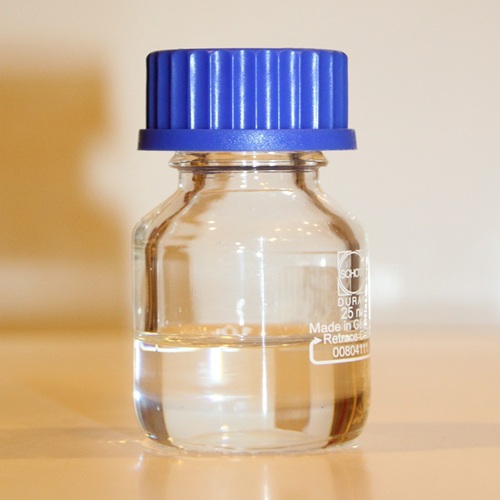 Pyridine 99.5% HPLC /UV SpectroscopyView Details
110-86-1 -
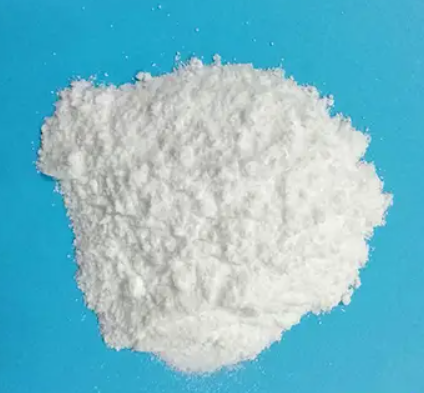 Piperazine Spot supply, best priceView Details
110-85-0 -
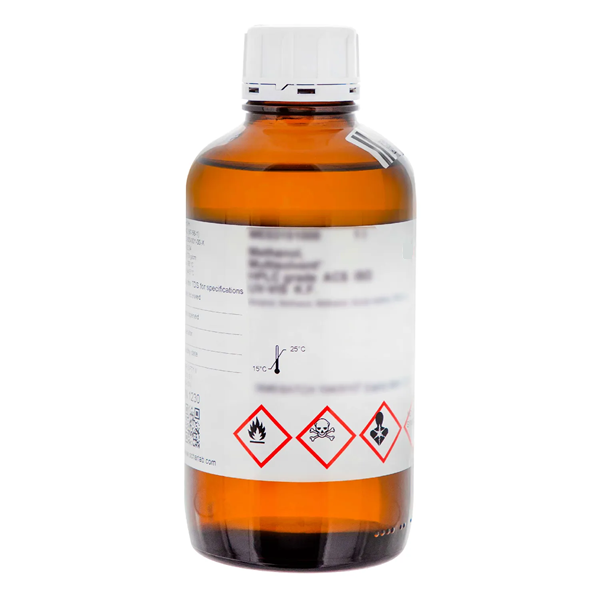 Dibutyl PhthalateView Details
84-74-2 -
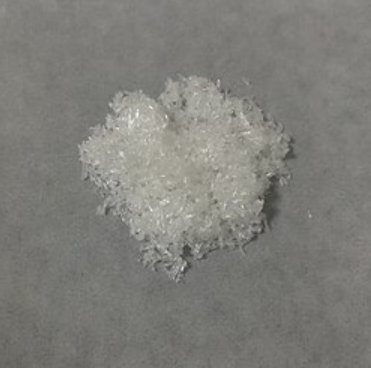 Imidazole Spot supply, competitive priceView Details
288-32-4 -
 Thiourea 99% ARView Details
62-56-6
Statement: All products displayed on this website are only used for non medical purposes such as industrial applications or scientific research, and cannot be used for clinical diagnosis or treatment of humans or animals. They are not medicinal or edible.