
1-Naphthaldehyde
Synonym(s):α-Naphthal;α-Naphthaldehyde;Naphthalene-1-carbaldehyde
- CAS NO.:66-77-3
- Empirical Formula: C11H8O
- Molecular Weight: 156.18
- MDL number: MFCD00004003
- EINECS: 200-633-4
- SAFETY DATA SHEET (SDS)
- Update Date: 2025-08-03 14:24:27
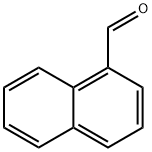
What is 1-Naphthaldehyde?
Chemical properties
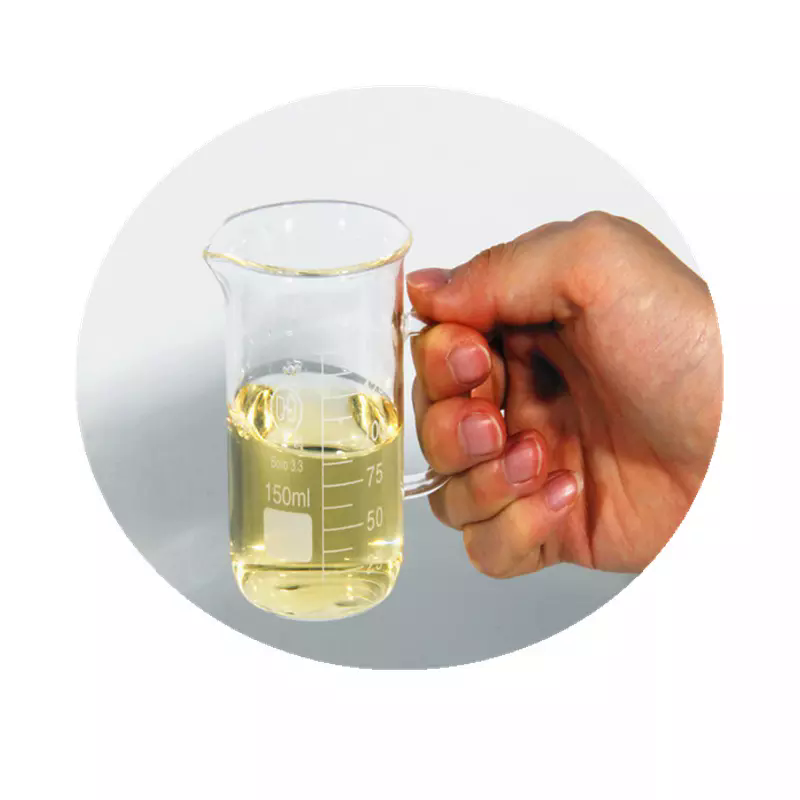
Yellow liquid
The Uses of 1-Naphthaldehyde
1-Naphthaldehyde is used in the synthesis of single-crystalline homochiral porous metal-organic frameworks (MOFs). It is also a starting material for the Canizzaro reaction to produce 1-Naphthoic acid and 1-Naphthalenemethanol.
The Uses of 1-Naphthaldehyde
1-Naphthaldehyde can be used to synthesize:
- (S)-1-α-naphthyl-1-ethanol
- N-(4-aryl)-N-(α-naphthyliden)amines
- N-aryl-N-[1-(1-naphthyl)but-3-enyl]amines
- naphthalene-1-carboxylic acid methyl ester
What are the applications of Application
1-Naphthaldehyde is a versatile synthesis reagent for MOFs
Definition
ChEBI: A naphthaldehyde with a formyl group at position 1.
Synthesis Reference(s)
Tetrahedron, 41, p. 5703, 1985 DOI: 10.1016/S0040-4020(01)91375-4
Purification Methods
Distil 1-naphthaldehyde with steam, extract the distillate into Et2O, dry (Na2SO4), filter, evaporate the filtrate and distil the residue in a vacuum. [Beilstein 7 IV 1286.]
Properties of 1-Naphthaldehyde
| Melting point: | 1-2 °C (lit.) |
| Boiling point: | 160-161 °C/15 mmHg (lit.) |
| Density | 1.15 g/mL at 25 °C (lit.) |
| vapor density | >1 (vs air) |
| refractive index | n |
| Flash point: | >230 °F |
| storage temp. | Keep in dark place,Sealed in dry,Room Temperature |
| solubility | <1g/l |
| form | Liquid |
| color | Clear yellow to dark yellow-brown |
| Specific Gravity | 1.15 |
| PH | 7 (< 1g/l, H2O, 20℃) |
| Water Solubility | Soluble in ethanol, ether, acetone, benzene. Insoluble in water. |
| Sensitive | Air Sensitive |
| BRN | 386082 |
| CAS DataBase Reference | 66-77-3(CAS DataBase Reference) |
| NIST Chemistry Reference | 1-Naphthalenecarboxaldehyde(66-77-3) |
| EPA Substance Registry System | 1-Naphthaldehyde (66-77-3) |
Safety information for 1-Naphthaldehyde
| Signal word | Warning |
| Pictogram(s) |
 Exclamation Mark Irritant GHS07 |
| GHS Hazard Statements |
H302:Acute toxicity,oral |
| Precautionary Statement Codes |
P264:Wash hands thoroughly after handling. P264:Wash skin thouroughly after handling. P270:Do not eat, drink or smoke when using this product. P301+P312:IF SWALLOWED: call a POISON CENTER or doctor/physician IF you feel unwell. P501:Dispose of contents/container to..… |
Computed Descriptors for 1-Naphthaldehyde
| InChIKey | SQAINHDHICKHLX-UHFFFAOYSA-N |
1-Naphthaldehyde manufacturer
JSK Chemicals
3Y
Phone:+91-9879767984
Whatsapp: +91-9879767970
product: alpha-Naphthaldehyde, 99% 99%
New Products
4,4-Difluoropiperidine hydrochloride tert-butyl 9-methoxy-3-azaspiro[5.5]undecane-3-carboxylate Indole Methyl Resin N-Isopropylurea N,N-Dicyclohexylcarbodiimide(DCC) MELDRUMS ACID 5-METHYLISOXAZOLE-4-CARBOXYLIC ACID Magnessium Bis glycinate Zinc ascorbate 1-bromo-2-butyne 2-acetamidophenol 9(10H)-anthracenone Erythrosin B, 4-Piperidinopiperidine 2-((4-morpholinophenylamino) (methylthio) methylene) malononitrile 2,4-dihydroxybenzaldehyde 3-(4-morpholinophenylamino)-5-amino-1H-pyrazole-4-carbonitrile Methyl 2-methylquinoline-6-carboxylate 2,6-dichloro-4-nitropyridine 4-Bromo-2-chlorobenzonitrile 2-(benzylamino)acetic acid hydrochloride 4-(tert-Butoxycarbonylamino)but- 2-ynoic acid 3,4-dihydro-2H-benzo[b][1,4]dioxepine 1-Phenyl-1-cycloprppanecarboxylicacidRelated products of tetrahydrofuran

You may like
-
 66-77-3 1-Naphthaladehyde 98%View Details
66-77-3 -
 66-77-3 98%View Details
66-77-3 -
 alpha-Naphthaldehyde, 99% 99%View Details
66-77-3 -
1-Naphthaldehyde, 98% CAS 66-77-3View Details
66-77-3 -
1-Naphthaldehyde CAS 66-77-3View Details
66-77-3 -
1-Naphthaldehyde CAS 66-77-3View Details
66-77-3 -
 1-Naphthaldehyde, For Industrial, 25View Details
66-77-3 -
 1 NaphthaldehydeView Details
66-77-3
Statement: All products displayed on this website are only used for non medical purposes such as industrial applications or scientific research, and cannot be used for clinical diagnosis or treatment of humans or animals. They are not medicinal or edible.