
Bromoacetaldehyde dimethyl acetal
Synonym(s):Bromoacetaldehyde dimethyl acetal
- CAS NO.:7252-83-7
- Empirical Formula: C4H9BrO2
- Molecular Weight: 169.02
- MDL number: MFCD00000213
- EINECS: 230-669-6
- SAFETY DATA SHEET (SDS)
- Update Date: 2025-09-25 17:15:13

What is Bromoacetaldehyde dimethyl acetal?
Chemical properties
clear colourless to light yellow liquid
The Uses of Bromoacetaldehyde dimethyl acetal
2-Bromo-1,1-dimethoxyethane (Bromoacetaldehyde dimethyl acetal) was used in the synthesis of 2,3-O-acetal via reaction with 2,3-diol in the presence of 10-camphorsulphonic acid (CSA).
The Uses of Bromoacetaldehyde dimethyl acetal
2-Bromo-1,1-dimethoxyethane (Bromoacetaldehyde dimethyl acetal) was used in the synthesis of 2,3-O-acetal via reaction with 2,3-diol in the presence of 10-camphorsulphonic acid (CSA). 2-bromo-1,1-dimethoxyethane was used to react with 4-hydroxylbenzaldehyde, and finally aldehyde substituted prodrug was generated by TFA-mediated deacetalization.
What are the applications of Application
bADA is an irreversible cysteine protease inhibitor with antiplasmodial activity
What are the applications of Application
2-Bromo-1,1-dimethoxyethane is used in the synthesis of 2,3-O-acetal via reaction with 2,3-diol in the presence of 10-camphorsulphonic acid.
Properties of Bromoacetaldehyde dimethyl acetal
| Boiling point: | 148-150 °C (lit.) |
| Density | 1.43 g/mL at 25 °C (lit.) |
| refractive index | n |
| Flash point: | 129 °F |
| storage temp. | 2-8°C |
| form | clear liquid |
| color | Colorless to Light orange to Yellow |
| Specific Gravity | 1.445 |
| Water Solubility | insoluble |
| Sensitive | Moisture Sensitive |
| BRN | 1280132 |
| CAS DataBase Reference | 7252-83-7(CAS DataBase Reference) |
| NIST Chemistry Reference | Ethane, 2-bromo-1,1-dimethoxy-(7252-83-7) |
| EPA Substance Registry System | Ethane, 2-bromo-1,1-dimethoxy- (7252-83-7) |
Safety information for Bromoacetaldehyde dimethyl acetal
| Signal word | Warning |
| Pictogram(s) |
 Flame Flammables GHS02  Exclamation Mark Irritant GHS07 |
| GHS Hazard Statements |
H226:Flammable liquids H315:Skin corrosion/irritation H319:Serious eye damage/eye irritation |
| Precautionary Statement Codes |
P210:Keep away from heat/sparks/open flames/hot surfaces. — No smoking. P302+P352:IF ON SKIN: wash with plenty of soap and water. P305+P351+P338:IF IN EYES: Rinse cautiously with water for several minutes. Remove contact lenses, if present and easy to do. Continuerinsing. |
Computed Descriptors for Bromoacetaldehyde dimethyl acetal
Bromoacetaldehyde dimethyl acetal manufacturer
ASM Organics
New Products
4,4-Difluoropiperidine hydrochloride tert-butyl 9-methoxy-3-azaspiro[5.5]undecane-3-carboxylate Indole Methyl Resin N-Isopropylurea N,N-Dicyclohexylcarbodiimide(DCC) MELDRUMS ACID 5-METHYLISOXAZOLE-4-CARBOXYLIC ACID Magnessium Bis glycinate Zinc ascorbate 1-bromo-2-butyne 2-acetamidophenol 9(10H)-anthracenone Erythrosin B, 4-Piperidinopiperidine 2-((4-morpholinophenylamino) (methylthio) methylene) malononitrile 2,4-dihydroxybenzaldehyde 3-(4-morpholinophenylamino)-5-amino-1H-pyrazole-4-carbonitrile Methyl 2-methylquinoline-6-carboxylate 2,6-dichloro-4-nitropyridine 4-Bromo-2-chlorobenzonitrile 2-(benzylamino)acetic acid hydrochloride 4-(tert-Butoxycarbonylamino)but- 2-ynoic acid 3,4-dihydro-2H-benzo[b][1,4]dioxepine 1-Phenyl-1-cycloprppanecarboxylicacidRelated products of tetrahydrofuran



You may like
-
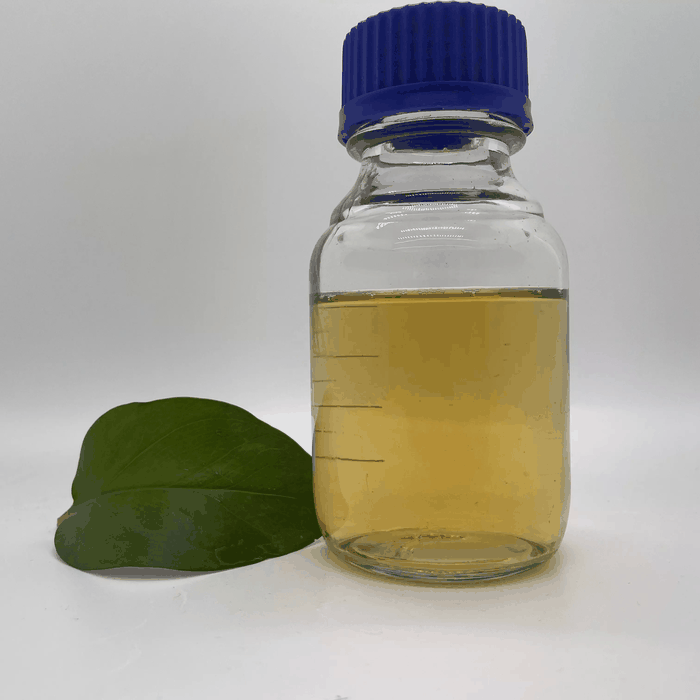 7252-83-7 2-bromo-1,1-dimethoxyethane 99%View Details
7252-83-7 -
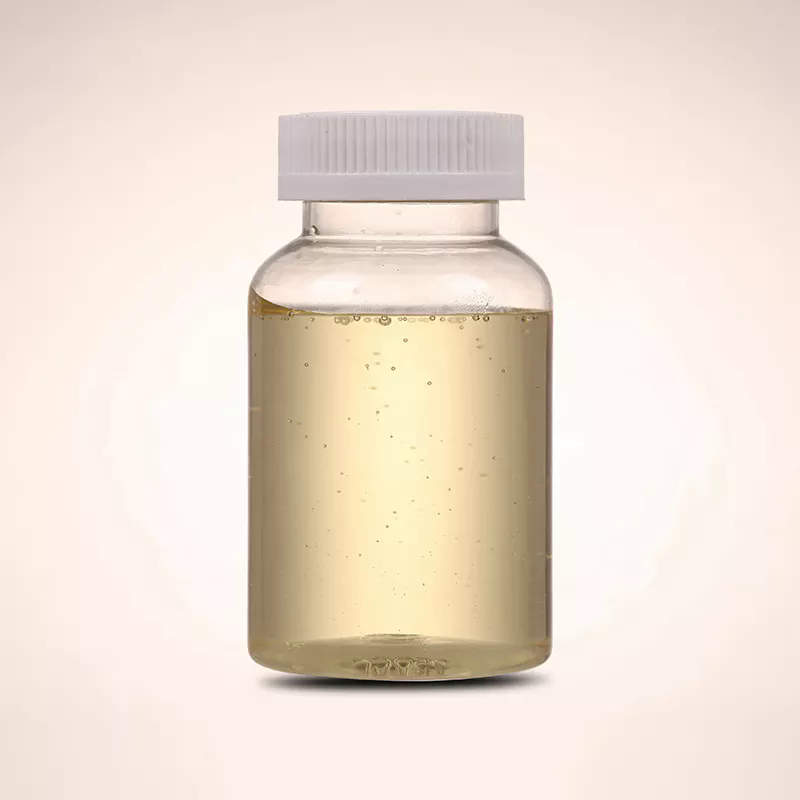 Bromoacetaldehyde dimethylacetal 99%View Details
7252-83-7 -
 Bromoacetaldehyde Dimethyl Acetal (stabilized with K2CO3) CAS 7252-83-7View Details
7252-83-7 -
Bromoacetaldehyde dimethylacetal, 96% CAS 7252-83-7View Details
7252-83-7 -
Bromoacetaldehyde dimethyl acetal CAS 7252-83-7View Details
7252-83-7 -
Bromoacetaldehyde dimethyl acetal 0.2% potassium carbonate as stabilizer CAS 7252-83-7View Details
7252-83-7 -
2-Bromo-1,1-dimethoxyethane CAS 7252-83-7View Details
7252-83-7 -
 Bromoacetaldehyde Dimethyl Acetal, 5kgView Details
7252-83-7