
4-HYDROXY-1-METHYL-2-QUINOLONE
- CAS NO.:1677-46-9
- Empirical Formula: C10H9NO2
- Molecular Weight: 175.18
- MDL number: MFCD00024052
- EINECS: 216-830-3
- SAFETY DATA SHEET (SDS)
- Update Date: 2025-07-16 09:55:31
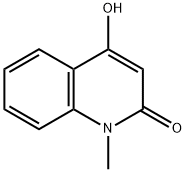
What is 4-HYDROXY-1-METHYL-2-QUINOLONE?
The Uses of 4-HYDROXY-1-METHYL-2-QUINOLONE
4-Hydroxy-1-methyl-2(1H)-quinolone was used as nucleophile in electrochemical oxidation of catechols and the reaction was studied by cyclic voltammetry and controlled-potential coulometry. It was used in ceric ammonium nitrate-mediated oxidative cycloaddition of 1,3-dicarbonyls to conjugated compounds to yield substituted dihydrofurans, dihydrofurocoumarins, dihydrofuroquinolinones and dihydrofurophenalenones. It was used in the synthesis of :
- 3-(4-methoxybenzyl)-4-hydroxy-1-methylquinolinone
- 3-(benzo[d][1,3]dioxol-5-ylmethyl)-4-hydroxy-1-methylquinolin-2(1H)-one
- 3-(4-chlorobenzyl)-4-hydroxy-1-methylquinolin-2(1H)-one
- 3,3′-bis(4-chlorobenzylidene)-1,10-methylquinolin-2,20-(1H)-one
Properties of 4-HYDROXY-1-METHYL-2-QUINOLONE
| Melting point: | 269-271 °C (lit.) |
| Boiling point: | 306.47°C (rough estimate) |
| Density | 1.326 |
| refractive index | 1.5060 (estimate) |
| pka | 4.50±1.00(Predicted) |
| form | powder to crystal |
| color | Light yellow to Brown to Dark green |
| CAS DataBase Reference | 1677-46-9(CAS DataBase Reference) |
| EPA Substance Registry System | 2(1H)-Quinolinone, 4-hydroxy-1-methyl- (1677-46-9) |
Safety information for 4-HYDROXY-1-METHYL-2-QUINOLONE
| Signal word | Warning |
| Pictogram(s) |
 Exclamation Mark Irritant GHS07 |
| GHS Hazard Statements |
H315:Skin corrosion/irritation H319:Serious eye damage/eye irritation H335:Specific target organ toxicity, single exposure;Respiratory tract irritation |
| Precautionary Statement Codes |
P261:Avoid breathing dust/fume/gas/mist/vapours/spray. P264:Wash hands thoroughly after handling. P264:Wash skin thouroughly after handling. P271:Use only outdoors or in a well-ventilated area. P280:Wear protective gloves/protective clothing/eye protection/face protection. P302+P352:IF ON SKIN: wash with plenty of soap and water. P305+P351+P338:IF IN EYES: Rinse cautiously with water for several minutes. Remove contact lenses, if present and easy to do. Continuerinsing. |
Computed Descriptors for 4-HYDROXY-1-METHYL-2-QUINOLONE
4-HYDROXY-1-METHYL-2-QUINOLONE manufacturer
BTC pharm India
4Y
Phone:+91-8790379245
Whatsapp: +91- 6361382515
product: 4-HYDROXY-1-METHYL-2-QUINOLONE 1677-46-9 98+
New Products
4,4-Difluoropiperidine hydrochloride tert-butyl 9-methoxy-3-azaspiro[5.5]undecane-3-carboxylate Indole Methyl Resin N-Isopropylurea N,N-Dicyclohexylcarbodiimide(DCC) MELDRUMS ACID 5-METHYLISOXAZOLE-4-CARBOXYLIC ACID Magnessium Bis glycinate Zinc ascorbate 1-bromo-2-butyne 2-acetamidophenol 9(10H)-anthracenone Erythrosin B, 4-Piperidinopiperidine 2-((4-morpholinophenylamino) (methylthio) methylene) malononitrile 2,4-dihydroxybenzaldehyde 3-(4-morpholinophenylamino)-5-amino-1H-pyrazole-4-carbonitrile Methyl 2-methylquinoline-6-carboxylate 2,6-dichloro-4-nitropyridine 4-Bromo-2-chlorobenzonitrile 2-(benzylamino)acetic acid hydrochloride 4-(tert-Butoxycarbonylamino)but- 2-ynoic acid 3,4-dihydro-2H-benzo[b][1,4]dioxepine 1-Phenyl-1-cycloprppanecarboxylicacidRelated products of tetrahydrofuran

![6-BENZYL-4-HYDROXY-2H-PYRANO[3,2-C]QUINOLINE-2,5(6H)-DIONE](https://img.chemicalbook.in/StructureFile/ChemBookStructure2/GIF/CB7149588.gif)


You may like
-
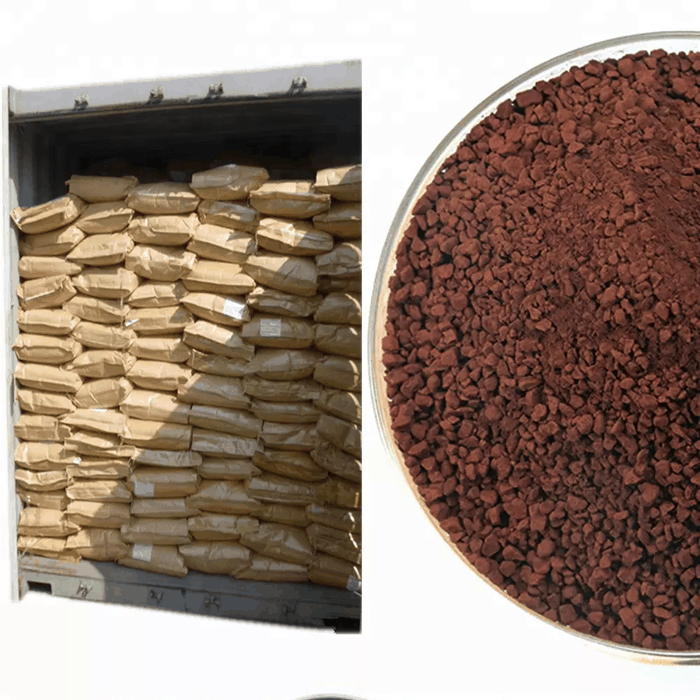 4-Hydroxy-N-methyl-2-quinolone 98%View Details
 -
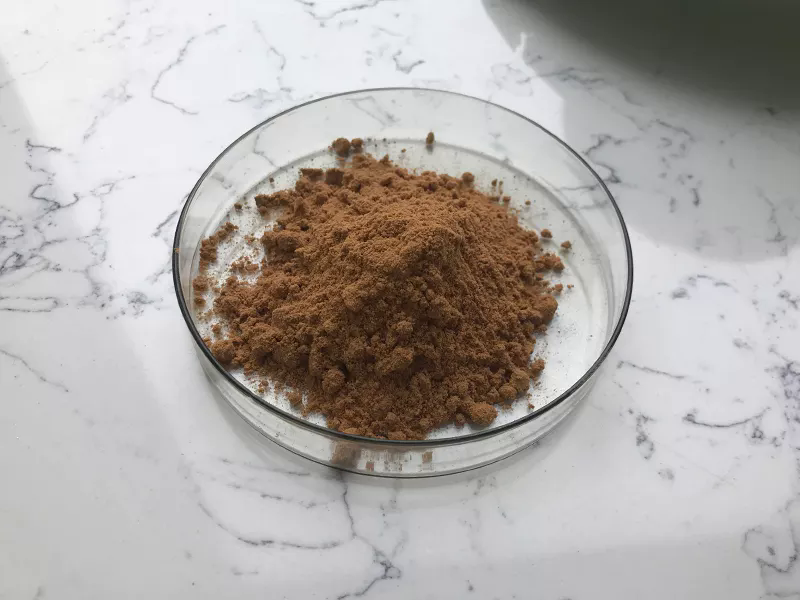 1677-46-9 98%View Details
1677-46-9 -
 4-Hydroxy1-methyl 2(1H) QuinoloneView Details
1677-46-9 -
 4-Hydroxy-1-methyl-2-quinolone CAS 1677-46-9View Details
1677-46-9 -
4-Hydroxy-1-methyl-2(1H)-quinolone CAS 1677-46-9View Details
1677-46-9 -
4-HYDROXY-1-METHYL-2-QUINOLONE 1677-46-9 98+View Details
1677-46-9 -
20677-73-0 (2,2-diethoxyethyl)methylamine 98%View Details
20677-73-0 -
3-(4-(hydroxyamino)-1-oxoisoindolin-2-yl)piperidine-2,6-dione 98%View Details
Statement: All products displayed on this website are only used for non medical purposes such as industrial applications or scientific research, and cannot be used for clinical diagnosis or treatment of humans or animals. They are not medicinal or edible.